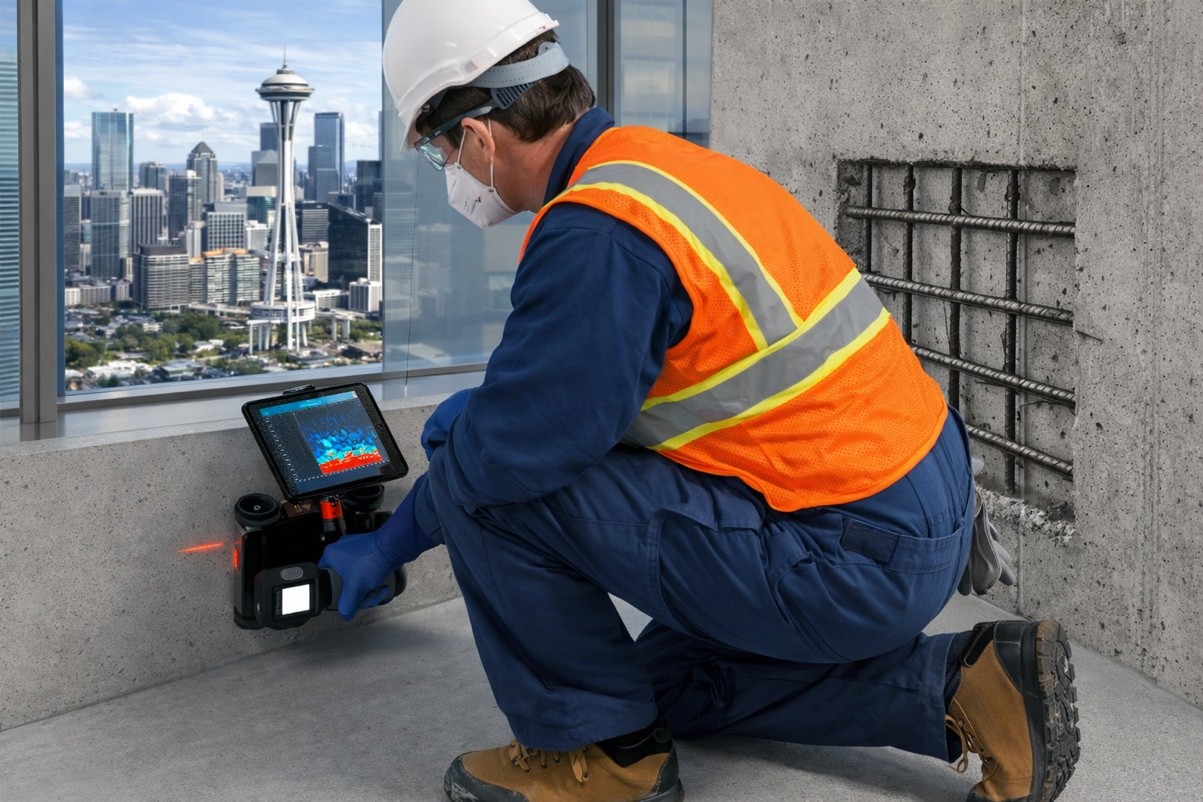
Concrete work would involve tasks such as cutting, drilling, coring, or anchoring from slabs or walls. While these tasks seem like everyday jobs, they can be very unsafe if carried out without proper preparation. It is always an advantage to plan ahead and make sure steps are taken to prevent accidents, injuries, or damage to the property before concrete work begins.
Below are practical tips to help reduce risk before starting any concrete penetration project.
1. Know What’s Inside the Concrete
Concrete looks solid, but it may contain electrical conduits, plumbing lines, rebar, post-tension cables, and many other things. Damaging any of the hidden features can lead to serious consequences, so, it is advised to scan the concrete first.
It makes sense to contact experts who provide concrete scanning services. To prevent any accidents, scanning the surface assists in identifying layers underneath it.
2. Mark Utilities Before You Start
Underground utilities should always be checked for when cutting or coring in areas. Not all underground utility lines are marked by 811 or public locators; some are private. Examples would be electric lines to outdoor lighting, irrigation systems, or water lines from a private well.
Private utility locating services are beneficial to highlight any buried lines that the public utilities might overlook. This ensures that utilities are not hit, and the work is not interrupted.
3. Use the Right Equipment and PPE
All tools must be in good operating condition and suited for the job at hand. Use wet cutting wherever possible for dust control and ensure that blades or drill bits are rated for the material being worked upon.
Personal protective equipment is an important consideration. This may include safety glasses, hearing protection, gloves, a dust mask, and steel-toe boots. Check if the space you’re working in offers adequate ventilation and dust control.
4. Map the Subsurface Area
If your work extends beyond the concrete slab, such as drilling deep anchors or coring through into soil, then it is critical to assess what lies beneath.
Professionals who perform underground utility mapping services help in identifying objects under the surface that are not visible from the surface.
5. Communicate with the Whole Team
Hold a briefing with all employees before starting work. All workers must know where the areas will be cut or drilled, available hazard markings, and whom to notify if anything unexpected is found.
Need Help Locating Before You Cut?
C-N-I Locates is a private company dealing with locating services in Oregon and Washington. Our personnel employ equipment such as ground penetrating radar, video inspections, and subsurface mapping to identify hidden hazards before concrete work begins.
Whether you are installing a small core drill or a large structural cut, C-N-I Locates can assist you with information that will help you guide safer choices.
FAQs
Can weather conditions affect concrete cutting and scanning?
Yes, moisture levels and temperature can impact certain scanning methods like ground penetrating radar. Wet or saturated concrete may reduce signal clarity. Similarly, cold temperatures can make cutting equipment less efficient or brittle, increasing the risk of wear and breakage.
Are there regulations or permits required before drilling or cutting concrete in commercial areas?
Some cities or counties require permits for core drilling or concrete cutting in commercial buildings, especially if it involves structural modifications or noise restrictions. It’s important to check with local building departments and job site managers before beginning work.
How can drone services support concrete-cutting projects?
Drone photogrammetry services and aerial drone imagery services can help map the surrounding area, document job site conditions, and monitor project progress. This data is useful for planning access, staging, and avoiding surface-level obstructions before cutting begins.