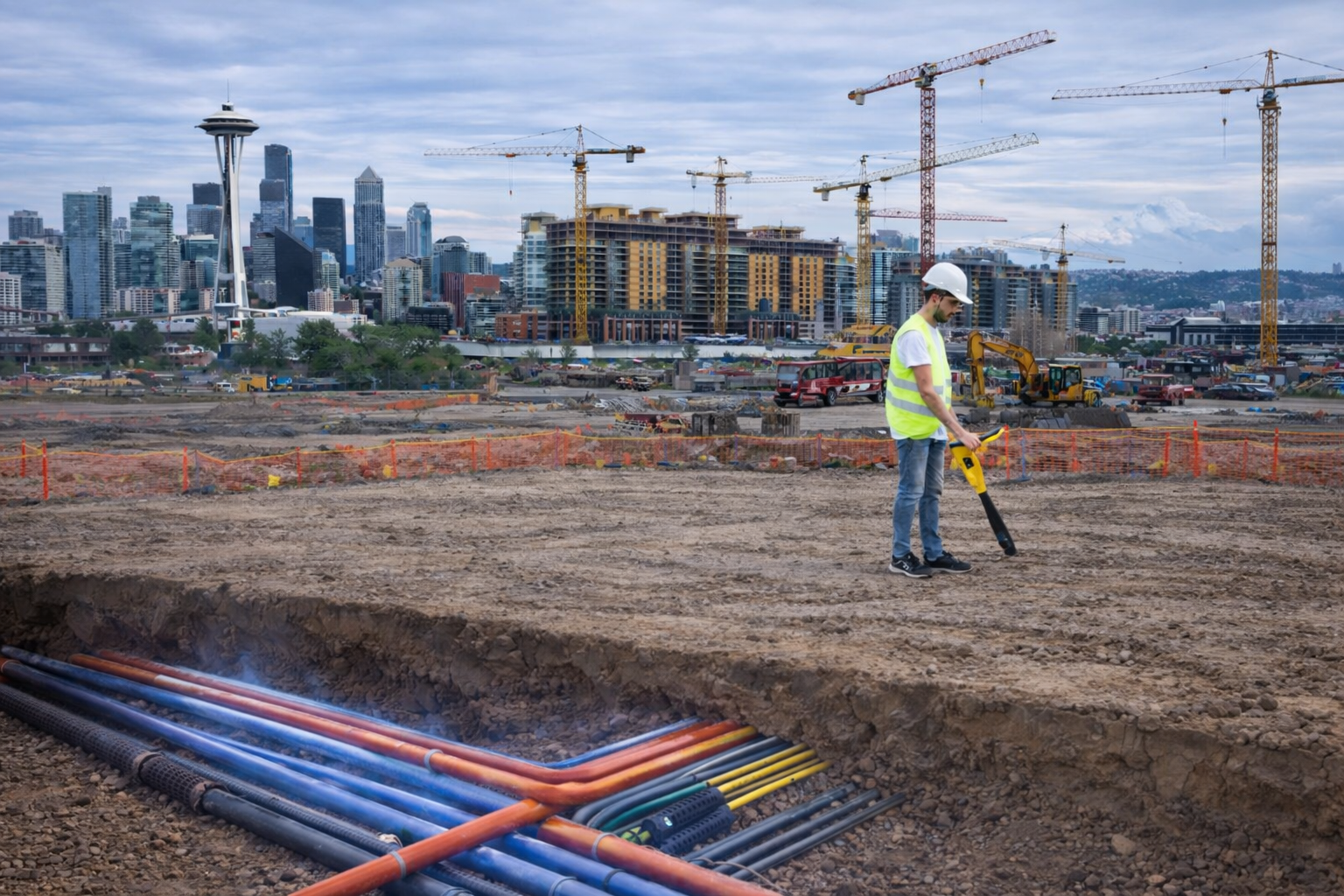
Before excavation, drilling, or construction begins, understanding what lies beneath the surface is critical. Underground infrastructure such as electrical lines, water pipes, communication cables, and sewer systems must be identified to reduce the risk of damage and ensure safe project planning. One of the most common questions contractors and property owners ask is how long a utility locating service in Washington typically takes to complete.
The duration of a locate can vary depending on several factors, including the complexity of the site, the type of utilities present, and the investigative methods required. Utility locating is not a one-size-fits-all process. Each project is evaluated individually to determine the most appropriate combination of technologies and inspection methods.
Factors That Influence Locate Duration
The time required for a utility locate can vary from a short site visit to a more detailed investigation, depending on the conditions present. Technicians evaluate the project area and select the most appropriate methods based on the available information and physical environment.
Several key factors often influence how long a locating project takes:
- Size of the project area – Larger properties or long utility corridors typically require more time to inspect and document.
- Utility density – Areas with numerous underground utilities may require additional verification to distinguish between different lines.
- Accessibility – Structures, landscaping, pavement, or limited access points can affect how quickly equipment can be deployed.
- Utility material types – Metallic and non-metallic utilities require different detection
- Available records or drawings – Existing documentation can assist technicians in narrowing the search area.
Because these variables differ from site to site, the time required for a utility locating service in Washington can range from a short inspection to a more detailed subsurface investigation.
Methods Used During a Utility Locate
Technicians typically begin by reviewing available records and evaluating visible infrastructure such as valves, meters, or utility markers. From there, appropriate detection methods are selected based on the type of utilities expected within the project area.
One of the most commonly used technologies is electromagnetic locating, which traces conductive utilities such as electrical lines, gas lines, and metallic water pipes. However, not all underground utilities are conductive, and some systems may not have tracer wires or accessible connection points.
In situations where utilities are made of plastic or other non-conductive materials, technicians may supplement the investigation with GPR locates to identify subsurface anomalies that could indicate buried infrastructure. Ground Penetrating Radar works by transmitting radar signals into the ground and interpreting reflections caused by changes in material density.
Because site conditions such as soil composition, moisture content, and depth can influence radar signal performance, GPR locates in Washington are often used alongside other detection technologies rather than as a standalone solution.
Inspection of Sewer and Drainage Systems
Locating underground infrastructure sometimes requires additional inspection methods when sewer pipelines or drainage systems are involved. In these cases, a camera-based approach may be used to visually inspect the interior of the pipe.
During a sewer video inspection in Washington, a specialized camera is inserted into the pipe to observe the internal condition of the line and track the position of the camera head as it moves through the system. This allows technicians to identify pipe routing, connection points, and potential issues such as blockages or structural defects.
Because pipelines can change direction or depth along their route, sewer video inspections may be combined with other locating technologies to help correlate underground pipe locations with surface markings.
Why Multiple Methods May Be Used
Many locating projects require more than one investigative approach. Subsurface infrastructure can vary widely in material type, depth, and accessibility, and no single technology can identify every utility in every environment.
Technicians may combine several service methods to improve visibility and confirm findings. For example, electromagnetic locating may identify conductive lines while radar scanning helps identify additional subsurface anomalies. Magnetic detection, flex rods, acoustic pipe detection, or video pipe inspection tools may also be used when conditions require additional investigation.
The specific combination of methods used on a project depends on site conditions, the utilities being investigated, and the client’s objectives.
Project Timing and Planning Considerations
While some smaller projects can be completed within a few hours, larger or more complex sites may require additional time for verification and documentation. Utility density, environmental conditions, and access limitations can all influence how long the investigation process takes.
Before performing any excavation or subsurface work, Washington State law requires contacting the 811 damage prevention system to request public utility locates. It is important to understand that 811 locates typically address public utility infrastructure and may not include privately owned utilities located on private property.
Private locating services can help identify additional infrastructure that may not be included within the 811 system.
Conclusion
The time required to complete a utility locate depends on many variables, including the size of the project area, the complexity of the underground infrastructure, and the investigative technologies needed to evaluate the site. Because different utilities require different detection methods, technicians may combine multiple locating and inspection tools to gather the most useful information possible before excavation begins.
By evaluating site conditions and selecting the appropriate investigative approach, professionals can help support safer construction and infrastructure planning. For projects that require subsurface investigation and professional locating support in Washington, C-N-I Locates Ltd. provides services designed to assist contractors, engineers, and property owners in understanding underground conditions prior to excavation.