In today’s infrastructure world, it is no longer good enough to react after problems have actually occurred. Prevention of damage is gradually transforming from a reactive into a proactive attitude-and data is headlining this transformation.
Technology allows utility companies and locators to now pre-set risks, thereby making better decisions and lowering the risk of utility damage that would be either pricey or too hazardous to bear.
The Shift Toward Predictive Prevention
Data is the actual force for this paradigm shift. Collecting information from various sources, like past dig records, sensor data, and utility maps, helps the companies study the patterns and prevent future problems. For example, predictive analytics can pinpoint areas where underground infrastructure is most likely to give. Then the crews can go to inspect and fix the areas in interest before something gives.
Visualizing the Underground with Mapping Tools
An important way in which this technology helps is through underground utility mapping. Mapping gives a perspective beneath the surface, helping teams to locate pipes, cables, and other infrastructure without resorting to guessing. This enhances safety, plus it helps projects stay on schedule and budget.
Real-Time Monitoring with Advanced Technology
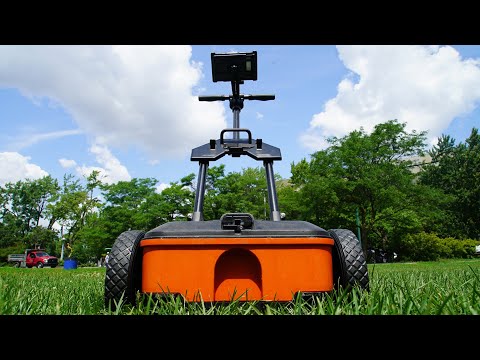
Besides mapping, real-time monitoring has become an important part of modern utility safety. Services such as ground penetrating radar services provide the crew with a view of underground structures without the need to dig. GPR sends radar signals into the ground and bounces back data, assisting with the analysis of buried utilities. This information, in return, is collected quickly and non-destructively to avoid mishaps.
Smarter Inspections with Video Technology
Another technological aid provided in the field is video pipeline inspection. It uses cameras to inspect sewer and pipeline systems, aiding teams in assessing conditions of underground infrastructure without excavation. This way, cracks, leaks, or blockages can be detected at their very early stages, before they pose major issues.
Collaboration Through Connected Systems
Collaboration is improved by data. When systems are interconnected, ticket management software and sensor network utilities can share data quickly with excavators and locators. This makes sure everyone works with the same up-to-date data, reducing confusion and increasing response time.
Financial and Environmental Impact
The economic benefit of the application of data and technology is also obvious. Damage to underground utilities costs billions of dollars every year to the U.S. However, studies warn that for every dollar spent on damage prevention, five dollars can be saved on repair and liability costs. Not only is this a good financial stimulus, but it is also good for infrastructure, health, and public safety in the long term.
Conclusion: Moving Toward Safer, Smarter Digging
As the construction industry continues to grow and change, the demand for smarter solutions will increase. Data locates hidden risks, minimizes errors, and maximizes planning. This smarter way of working, based on data, will ultimately make job sites safer and infrastructure networks stronger.
At C-N-I Locates, collaborating closely with the construction crews, utility providers, and project manager’s means assisting safe excavation using all manner of advanced implements. Utilizing ground penetrating radar and video inspection systems, we determine concealed circumstances and offer clear information for your next move-before you decide to start digging.